
“Best Agricultural Newsletter in Hawaii”
Newsletter of the Kona Coffee Farmers Association
July 2026
PO Box 5436 Kailua Kona Hawaii 96745 USA
www.konacoffeefarmers.org info@konacoffeefarmers.org
Contents
Welcome from President Petersen
Kona Coffee Farmers Rebuilding After Quake
Study: Why Coffee Doesn’t Taste Like Caffeine
CBB Infestation now Includes Lana’I and Kaua’i
$18.5 Million Available to Support Hawaiʻi Producers
In Guatemala, Coffee is Not the Only Crop
Private Labels’ Quiet Rise To Power
KCFA Potluck – July 11th, Saturday
CLR Study Offers Insights into Resistance
Hawai’i Urged to Prepare for Intense El Niño Hurricane Season
Foliar Nutrition in Coffee
China – Native Fungus May Lift Conventional Coffee to Specialty Status
Nominations Open to Serve on USDA FSA County Committee
ECF Introduces New Regulations for Jute Bags
Editor: Clare Wilson
WELCOME FROM PRESIDENT PETERSEN
Aloha Kona Coffee Farmers,
I hope this message finds you well and that your orchards are settling into the rhythm of
summer. This month, I want to share an important update on our KCFA Farm Sign
Initiative, which many of you enthusiastically joined earlier this year.
As you know, the idea behind the signs was simple: give Kona coffee farmers a way to
proudly display both their farm identity and the KCFA logo at their entrance. The
response was wonderful — several members signed up right away, and we began
collecting fees and preparing for production.
Shortly after the announcement, one of our very attentive members reached out with a
concern: Hawai‘i County may regulate business signs, and it wasn’t clear whether
our farm identification signs would fall under those rules. Out of respect for county
requirements, we paused production and contacted the County Planning Department for
clarification.
We’ve now received an official written response from the County, and the guidance is
clear:
KCFA farm signs are considered “business signs” under the Hawai‘i County Code and
therefore require a permit before installation.
The County’s letter — included in this link for your reference — explains that any sign
identifying a commercial agricultural operation, including a coffee farm, is regulated
under the County’s sign ordinance. This means each participating farm will need to
apply for and receive a sign permit before posting the KCFA farm sign. KCFA cannot
submit one permit for the associations farmer’s signs.
Because of this requirement, KCFA will continue to pause production until members
have had a chance to review the County’s guidance and decide how they’d like to
proceed.
For those who have already paid for a sign: I will be contacting each of you via
email to follow up on your wishes.
You will have two options:
- Continue with the sign and begin the County’s permit application process
- Request a full refund if you prefer not to pursue a permit
We want this initiative to be a source of pride — not a source of stress — and we’ll
support whichever choice works best for your farm.
I also want to offer a sincere apology for the inconvenience this has caused. We
launched this program with the best intentions, and the County’s clarification was
unexpected. Mahalo to the member who brought this to our attention early; your
vigilance helps protect the entire association.
KCFA remains committed to strengthening the identity and visibility of Kona’s coffee
farms. With your patience and cooperation, we’ll move forward in a way that fully
respects County regulations and supports every member who wishes to participate.
Wishing you all a productive and healthy July on the farm.
Mahalo nui loa,

Mark Petersen, KCFA President
KONA COFFEE FARMERS REBUILDING AFTER QUAKE TAKES OUT WATER SYSTEMS
https://tinyurl.com/2eu3m4ff
“…Farm Operations Disrupted
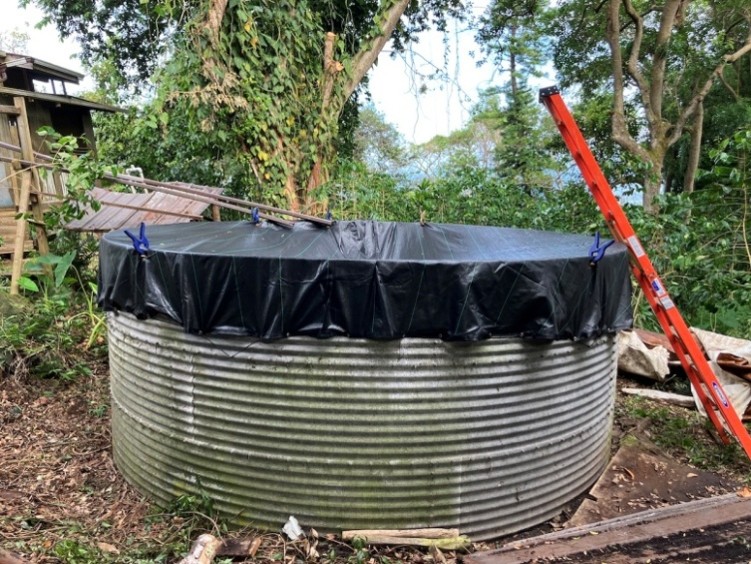
Among the people feeling the earthquake were Colehour and Melanie Bondera, who have been operating Kanalani Ohana Farm in Honaunau since 2001, growing and roasting their own Kona coffees. To combat the worsening impact of coffee berry borers and leaf rust — which was first identified on the island of Hawaii in 2020 — they intercrop coffee with avocados, cacao and other fruits.
As was the case at many neighboring farms, the recent earthquake damaged the farm’s water catchment system, with repairs to a tank’s lining taking nearly two weeks….”
STUDY: WHY COFFEE DOESN’T TASTE LIKE CAFFEINE
https://www.comunicaffe.com/new-study-explains-why-coffee-doesnt-taste-like-caffeine/
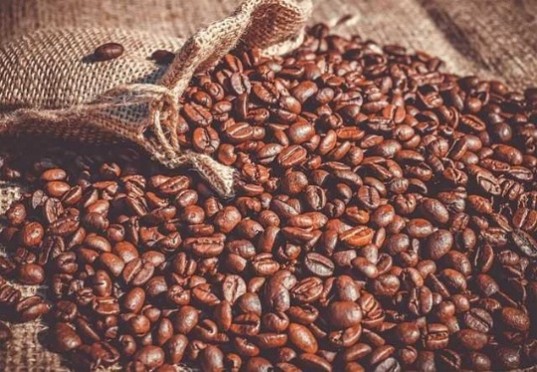
“WASHINGTON, DC, USA – Though decaf fans might disagree, caffeine is a critical component of a cup of joe. This compound is incredibly bitter on its own, but regular coffee itself is not. A team reporting in ACS’ Journal of Agricultural and Food Chemistry is investigating why and explains that the answer may lie within interactions between this substance and other coffee molecules called melanoidins that are produced during the roasting process.
Previously, taste-testers have described caffeine as highly bitter, even medicinal-tasting. And yet, a cup of coffee usually has a pleasant mouthfeel. Because that extreme bitter taste is gone, Oliver Frank, Johanna Kreissl, and Michael Gigl wanted to figure out why. “The significance of this work lies in explaining why coffee beverages do not taste of caffeine, even though the caffeine concentration of coffee is far above the perceivable level,” explains Gigl….”
COFFEE BERRY BORER INFESTATION NOW INCLUDES LANA’I AND KAUA’I
https://tinyurl.com/35ztarsa
June 24, 2026
HONOLULU —The Board of Agriculture and Biosecurity (board) yesterday approved a request to expand the designated coffee berry borer (CBB), Hypothenemus hampei, infested areas to include the islands of Lānaʻi and Kauaʻi. The request for the board’s designation of the islands of Lānaʻi and Kauaʻi as CBB-infested areas follows similar designations of Hawaiʻi Island (2010) and Oʻahu (2015). The designation goes into effect today, June 24, 2026.
With the board designating the islands of Lānaʻi and Kauaʻi as CBB-infested areas, almost every island with commercial production of coffee is considered infested with CBB and the current restrictions on the interisland movement of green coffee beans for roasting or consumption, used coffee bags and coffee harvesting equipment, will no longer require permits and inspection, but are still subject to periodic and random inspections. The board’s designation would still require a permit for the interisland movement of coffee plants and propagative plant parts including seeds for planting, to prevent the movement of pests.
The island of Molokaʻi remains the only island not considered infested with CBB. A permit and disinfestation treatment is still required for interisland movement of green coffee beans for roasting or consumption, used coffee bags and coffee harvesting equipment being transported to Molokaʻi. Coffee plants and propagative plant parts including seeds for planting will also continue to require a permit and one year quarantine period before being allowed to be transported to Molokaʻi.
If you need more information about the expanded infested area or permit requirements, please contact the Department of Agriculture and Biosecurity’s Plant Quarantine Branch Acting Plant Specialist, Ms. Techie Lancaster, by phone: 808-832-0566, or email: DAB.PQSPEC@hawaii.gov. “
Hawaiʻi Grown Partnership for Agriculture Grant
Aloha KCFA,
By now, you have likely learned about the HiGPA grant announced last week. Over recent weeks, SHAC’s grants team has been working to consolidate all the information out there and disseminate it to you—our member organizations—in a format that is not only easy to understand, but also easy to navigate as producers pursue this funding. Through this process, we are creating a step-by-step guide with clear instructions and information, along with avenues for farmers to learn more and ask questions to ensure they are applying with the correct information and tools on-hand, leading to the best possibilities of being awarded funds.
We have created a page on our website with the latest information, updates, and resources to help you navigate the application process for this grant. Below, we are sharing our step-by-step guide to assist in navigating the FSA Eligibility Determination process. This is the first phase in applying for the HiGPA grant and it’s recommend to complete these steps by Monday, July 20th.
The second phase is the actual grant application period, beginning on Friday, June 26th. We will send a follow-up email with more information about the second phase soon. Please forward this information to all your organization’s newsletter subscribers to ensure maximum reach to Hawaiʻi farmers.
More Info here: https://konacoffeefarmers.org/resource-links/hawai%ca%bbi-grown-partnership-for-agriculture-grant/
IN GUATEMALA, COFFEE IS NOT THE ONLY CROP
https://www.comunicaffe.com/but-coffee-is-not-the-only-crop-guatemalan-farmers-are-turning-taro-flour-into-a-new-source-of-income/
 “
“
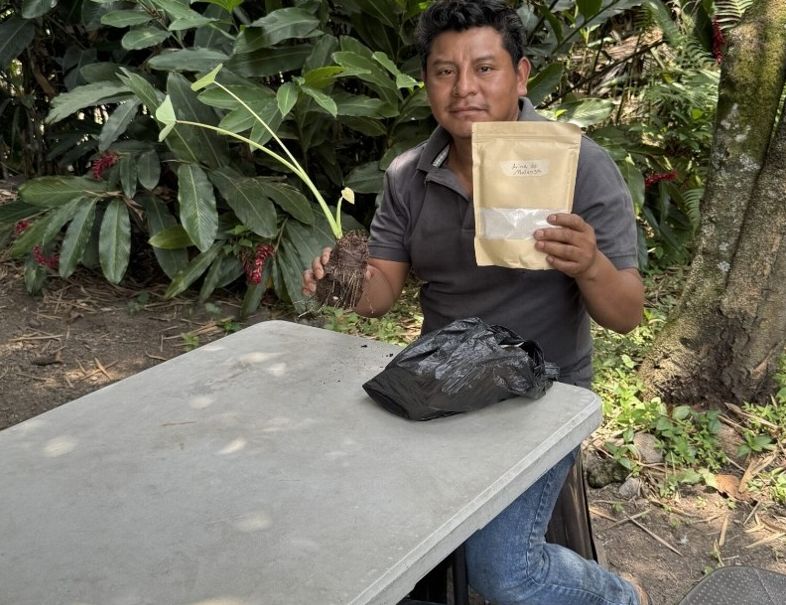
GUATEMALA – In recent years, people in the US and elsewhere have found alternatives to wheat flour. This is often driven by sensitivity to gluten. It also has to do with taste and variety. In Guatemala, coffee farmers in isolated rural areas are producing and selling a different type of flour to diversify and increase their incomes. They make this flour from taro (malanga), a plant widely available around villages in these coffee growing areas.
The root is dehydrated and ground to make flour. Taro flour is gluten-free and highly digestible. It is rich in dietary fiber, potassium, vitamin C, and complex carbohydrates. With a very mild, neutral to slightly nutty taste, taro flour is a highly versatile ingredient for baking and thickening….”
Ed. Note- Kona typica came from Guatemala

PRIVATE LABELS’ QUIET RISE TO POWER
https://coffeetalk.com/daily-dose/for-roasters-retailers/06-2026/110139/
“Industry trends indicate that private-label coffee is becoming a significant growth driver for retailers aiming to enhance profit margins, differentiate their product offerings, and foster customer loyalty. The increasing adoption of private labels across various food categories positions coffee as a particularly promising area for innovation. Retailers are dedicating resources to their private brands as consumers now connect these products more with quality and value than with compromise. Research from The Food Industry Association reveals that over 90% of food retailers and manufacturers intend to boost investments in private brands, indicating a long-term confidence in their growth….”
GROUNDBREAKING COFFEE LEAF RUST STUDY OFFERS INSIGHTS INTO RESISTANCE
https://tinyurl.com/ysaua99p
June 16,2026
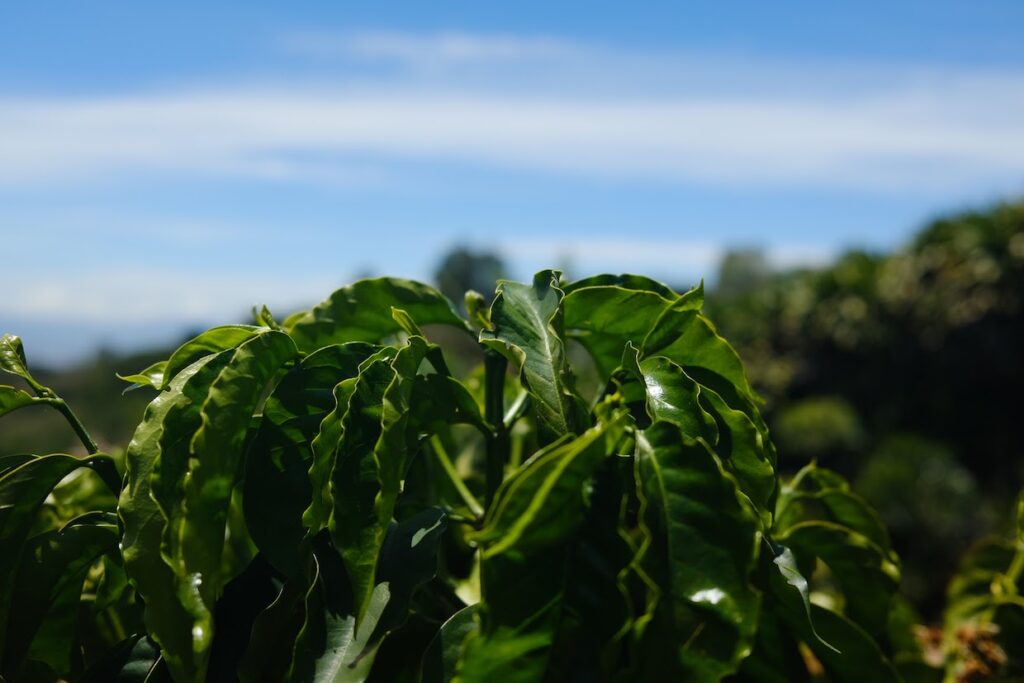
A groundbreaking effort led by Oregon-based nonprofit World Coffee Research (WCR) just delivered the most extensive real-world evaluation to date of how arabica coffee varieties stand up to their most relentless natural foe: coffee leaf rust.
Published in Frontiers in Plant Science, the study analyzed the natural performance of 29 arabica coffee varieties across 23 field sites in 15 countries.
Researchers found that while no single variety is universally immune to coffee leaf rust (CLR), several varieties demonstrated more consistent resistance across different environments. Conversely, some varieties showed high levels of resistance in some environments, and low levels in others, suggesting both variety and location play key roles in resistance to the crop-killing disease.
Global Collaboration
The open-access study was designed to offer valuable insight to coffee producersbworldwide as coffee leaf rust remains a constant issue in nearly all the world’s coffee
lands. Many farmers are still attempting to rebound from the coffee leaf rust pandemic that swept through Latin America beginning in 2012. The disease was first identified in
the 19th century, and has since spread to all the world’s major growing regions,
ncluding most recently Hawaii in 2020.”
HAWAI’I URGED TO PREPARE FOR INTENSE EL NIÑO HURRICANE SEASON
https://www.hawaiipublicradio.org/the-conversation/2026-05-21/hawaii-urged-to-prepare-for-stronger-el-nino-hurricane-season

“The National Weather Service is forecasting a busier, more intense hurricane season for Hawaiʻi and the Pacific this year.
It’s due to the likelihood of a more intense El Niño, a climate phenomenon where hotter ocean temperatures in the Pacific set the stage for stronger and more frequent storms.
John Bravender is the warning coordination meteorologist with NOAA’s National Weather Service. According to Bravender, while the Central Pacific typically sees an average of four to five storms, this year’s forecast calls for as many as five to 13.
The Conversation on PBS
New weather model could predict El Niño — over a year in advance”
Listen here @ https://www.hawaiipublicradio.org/the-conversation/2026-05-21/hawaii-urged-to-prepare-for-stronger-el-nino-hurricane-season
FOLIAR NUTRITION IN COFFEE
What Works Best, What Works Least, and How to Use It Effectively
Foliar nutrition is a valuable supplemental tool for coffee growers in Kona, especially during
drought, heavy flowering, or nutrient imbalance. While foliar sprays cannot replace a strong soil
fertility program, they can rapidly correct certain deficiencies and support key physiological
processes — in both traditional and organic systems. Previous articles have highlighted foliar
nutrition in specific situations.
This article provides information about foliar nutrient absorption in coffee, ranks nutrients by
effectiveness, and provides practical recommendations for both conventional and organic
growers.
Ranking Nutrients by Foliar Absorption Effectiveness
Coffee leaves have a moderately thick cuticle, so uptake varies widely among nutrients.
The ranking below applies to all systems; organic growers may choose allowable formulations.
Most effectively absorbed
1. Nitrogen (N) — Best absorbed (urea form)
Urea is uncharged and highly mobile, allowing it to pass through the leaf cuticle
more easily than nitrate or ammonium.
Foliar urea is rapidly absorbed and increases leaf N content in coffee. (Fernández & Brown, 2013; Santos et al., 2015).
Organic note: OMRI-listed biological urea exists, but most organic growers rely on fish hydrolysate, amino-acid sprays, or compost tea extracts, which provide slower but still meaningful foliar N.
2. Potassium (K₂SO₄ or KNO₃)
Potassium salts penetrate the cuticle efficiently at moderate concentrations.
Foliar K improves stomatal regulation and flowering in Coffea arabica. (Silva et al., 2018).
Organic note: OMRI-listed potassium sulfate is widely available; kelp extracts provide lesser amounts of foliar-available K.
3. Magnesium (MgSO₄)
Magnesium sulfate is readily absorbed and often used to correct chlorosis.
Foliar Mg increases chlorophyll and photosynthetic efficiency. (Reis et al., 2015).
Organic note: OMRI-listed Epsom salt (MgSO₄) is fully allowed.
Moderately absorbed
4. Micronutrients (Zn, Mn, B)
Micronutrients penetrate the cuticle reasonably well, especially when chelated.
Zinc and manganese improve enzyme activity and leaf expansion. (Fageria et al., 2009).
Boron enhances flowering and fruit set. (Silva et al., 2016).
Organic note: Use amino-acid or lignosulfonate chelates; boron should be applied carefully to avoid phytotoxicity.
Least effectively absorbed
5. Calcium (Ca) — Poor absorption
Calcium is strongly charged and moves poorly through the cuticle.
Foliar Ca mainly benefits the sprayed tissue and has limited systemic movement. (White& Broadley, 2003).
Organic note: OMRI-listed Ca products exist, but soil Ca (gypsum, coral sand,compost) is far more effective.
6. Phosphorus (P) — Very poor absorption
Phosphate ions are large and strongly charged, making foliar uptake inefficient.
Foliar P rarely corrects systemic deficiency in coffee. (Fernández & Brown,2013).
Organic note: Organic foliar P sources (fish hydrolysate, humic substances) provide trace amounts only; soil P management is essential.
Factors That Influence Foliar Absorption
1. Leaf age
Young leaves absorb nutrients more readily. (Fernández et al., 2013).
2. Cuticle thickness
Drought thickens the cuticle — a major issue in Kona’s dry season.
3. Spray pH
Optimal foliar spray pH is 5.5–6.5.
4. Humidity
High humidity increases absorption. (Santos et al., 2015).
5. Surfactants
Non-ionic surfactants improve penetration.
Organic note: Use yucca extract, saponin wetters, or plant-derived soaps.
6. Salt concentration
High concentrations burn leaves and reduce uptake.
7. Time of day
Early morning or late afternoon improves absorption.
Timing
Pre-flowering (Jan–Mar)
Foliar N, K, and B support flower initiation. (Silva et al., 2016).
Post-flowering (Mar–May)
Mg and K support early fruit development.
Mid-season (Jun–Aug)
Micronutrients help maintain leaf function during drought.
Late season (Sep–Nov)
Foliar Ca strengthens sprayed tissues but does not move systemically.
Avoid spraying during:
Midday heat
Heavy rain
Extended drought without irrigation
Periods of leaf flush (young leaves are sensitive)
Nutrients Poorly Absorbed Through Roots but Highly Improved by Foliar
Application
Certain nutrients show dramatically better uptake through leaves than through roots,
especially in Kona’s volcanic soils where mineralogy and pH strongly influence nutrient
availability. These are the nutrients for which foliar feeding provides the greatest
improvement over soil uptake.
1.Zinc (Zn) — Most improved by foliar feeding
Zinc is one of the least available micronutrients in volcanic soils due to strong absorption of iron and aluminum oxides.
Root uptake is often low even when soil Zn tests appear adequate.(Fageria et al., 2009)Foliar Zn bypasses soil fixation and directly increases leaf Zn concentration. (Alloway, 2008).
2.Manganese (MN) availability fluctuates widely in volcanic soils and often becomes limited under higher pH or dry conditions.
Mn deficiency reduces photosynthesis and leaf expansion. (Fageria et al.,2009).
Foliar Mn rapidly corrects deficiency even when soil Mn is immobilized.
3. Boron (B)
Boron is essential for flowering and fruit set but is notoriously difficult to manage
in soil.Kona’s porous soils leach B quickly, making root uptake inconsistent.n soil.Kona’s porous soils leach B quickly, making root uptake inconsistent.(Silva et al., 2016).
Foliar B applied at low rates significantly improves flowering uniformity.
4. Magnesium (Mg)
Although Mg is generally available in soils, Kona’s high-calcium or high- potassium soils can competitively inhibit Mg uptake.
Mg deficiency causes interveinal chlorosis and reduced photosynthesis.(Reis et al., 2015).
Foliar MgSO₄ corrects symptoms quickly, even when soil competition limits root uptake.
5. Nitrogen (N) — in drought or low-organic soils
Under normal conditions, roots absorb N efficiently. But in drought, low-organic matter, or compacted soils, root uptake drops sharply.
Foliar urea is absorbed rapidly and can temporarily sustain growth.(Fernández & Brown, 2013)
6. Potassium (K) — during heavy fruit load
K is usually well absorbed through roots, but during peak fruit development, demand can exceed root uptake capacity.
Foliar K improves stomatal regulation and fruit development. (Silva et al.,2018).
Nutrients NOT significantly improved by foliar feeding
1. Phosphorus (P) — foliar P rarely corrects systemic deficiency.
2. Calcium (Ca) — foliar Ca benefits only the sprayed tissue.
5. Practical Recommendations for Conventional and Organic Coffee Growers
For Conventional Growers
Use urea for rapid N correction.
Apply KNO₃ or K₂SO₄ during flowering and fruit set.
Use MgSO₄ to correct chlorosis.
Choose EDTA-chelated Zn, Mn, and B for efficient uptake.
Use non-ionic surfactants to improve leaf coverage.
Avoid relying on foliar P or Ca for systemic correction.
Spray early morning with moderate humidity.
Keep foliar feeding as a supplement, not a replacement, for soil fertility.
For Organic Growers
Use fish hydrolysate, amino-acid sprays, or compost tea extracts for foliar N.
Apply OMRI-listed potassium sulfate or kelp extracts for K.
Use Epsom salt (MgSO₄) for Mg deficiency.
Choose amino-acid or lignosulfonate chelated micronutrients.
Use yucca extract or other OMRI-listed surfactants.
Avoid relying on foliar P or Ca for systemic correction.
Spray early morning when humidity is higher.
Integrate foliar feeding with mulching, composting, and soil biology management for long-term nutrient availability.
References Cited here https://konacoffeefarmers.org/topics-of-interest/farming/foliar-ntrition/
CHINESE RESEARCHERS FIND NATIVE FUNGUS MAY LIFT CONVENTIONAL COFFEE INTO SPECIALTY RANGE
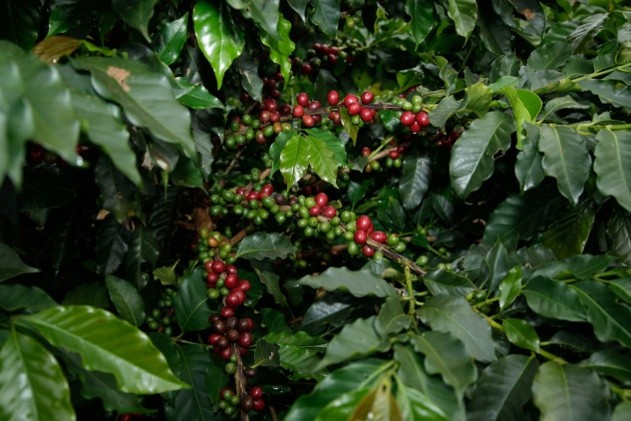
“Researchers in China say they have identified a naturally occurring fungus in coffee cherries that, when used as a fermentation agent under controlled conditions, can raise certain conventional coffees into specialty-grade territory.
Coming from the Kunming Institute of Botany at the Chinese Academy of Sciences and published in March in the Elsevier journal Food Chemistry, the study found that controlled fermentation with the fungus added a distinctive vanilla-cinnamon character to conventional arabica coffee samples from Yunnan, China’s main coffee-growing region…”
NOMINATIONS OPEN FOR FARMERS & RANCHERS TO SERVE ON USDA FSA COUNTY COMMITTEE
(Washington, D.C. – June 16, 2026) – Nominations are now being accepted for farmers and ranchers to serve on local U.S. Department of Agriculture (USDA) Farm Service Agency (FSA) county committees. These committees make important decisions about how federal farm programs are administered locally. All nomination forms for the 2026 election must be postmarked or received in the local FSA office by Aug. 3, 2026.
“Local voices matter, and agricultural producers play an important role in shaping how federal farm programs serve their communities,” said FSA Administrator Bill Beam. “With nominations now open for FSA county committees, producers have an opportunity to put Farmers First by ensuring local farmers and ranchers have a voice in program delivery.”
Elections for committee members will occur in certain Local Administrative Areas (LAA). LAAs are FSA committee elective areas in a single county or multi-county jurisdiction and may include LAAs that are focused on an urban or suburban area.
Producers interested in serving on the FSA county committee can locate their LAA at fsa.usda.gov/coc and determine if their LAA is up for election by contacting their local FSA office.
Agricultural producers may be nominated for candidacy for the county committee if they:
• Participate or cooperate in a USDA program.
• Reside in the LAA that is up for election this year.
A cooperating producer is someone who has provided information about their farming or ranching operation to FSA, even if they have not applied or received program benefits.
Individuals may nominate themselves or others and qualifying organizations may also nominate candidates. USDA encourages all eligible producers to nominate, vote and hold office.
Nationwide, more than 7,700 dedicated members of the agriculture community serve on FSA county committees. The committees are made up of three to 11 members who serve three-year terms. Committee members play a key role in how FSA delivers disaster recovery, conservation, commodity and price support programs, as well as making decisions on county office employment and other agricultural issues.
More Information
Producers should contact their local FSA office today to learn more about their county’s election. To be considered, a producer must sign an FSA-669A nomination form. This form and other information about FSA county committee elections are available at fsa.usda.gov/coc
All nomination forms for the 2026 election must be postmarked or received in the local USDA Service Center by the Aug. 3, 2026, deadline. Election ballots will be mailed to eligible voters in November 2026
The open-access study was designed to offer valuable insight to coffee producers worldwide as coffee leaf rust remains a constant issue in nearly all the world’s coffee lands. Many farmers are still attempting to rebound from the coffee leaf rust pandemic that swept through Latin America beginning in 2012. The disease was first identified in the 19th century, and has since spread to all the world’s major growing regions, including most recently Hawaii in 2020…
EUROPEAN COFFEE FEDERATION INTRODUCES NEW REGULATIONS FOR JUTE BAGS
https://coffeetalk.com/daily-dose/from-origin/06-2026/110297/
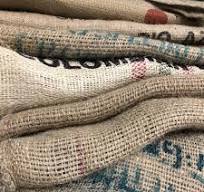
“The European Coffee Federation (ECF) and the European Cocoa Association (ECA) have introduced a new Industry Specification for jute bags and jute yarns used in food-contact packaging for cocoa and coffee supply chains. This update replaces the outdated IJO98/01 standard, which has dominated jute bag production in these sectors since 1998. Recent research utilizing advanced analytical techniques has highlighted the inadequacies of the previous standard in controlling mineral oil aromatic hydrocarbon (MOAH) contamination. The new specification addresses this gap and complies with evolving EU food safety regulations.
Key elements of the new specification include:
• Chemical and Organoleptic Criteria: Establishes limits for mineral oil saturated hydrocarbons (MOSH) and MOAH in jute bags and yarns for food-contact use.
• Production Substance Requirements: Mandates that all substances used in production, such as batching oils, emulsifiers, lubricants, and printing inks, be food-grade and safe for contact with food.
• Standardized Procedures: Specifies sampling and testing procedures that are in line with EU Joint Research Centre (JRC) analytical guidelines.
• Contamination Control: Outlines requirements for contamination control and segregation throughout the production and handling processes.
Migration studies for determining chemical limits were performed using a cocoa matrix. For coffee, this specification serves as an important preliminary reference due to the structural similarities between the cocoa and coffee supply chains and the lack of coffee-specific maximum limits in forthcoming EU regulations. Adopting these specifications ensures adherence to Good Manufacturing Practices in producing jute suitable for food contact.”
 RECIPES WANTED If any of you have recipes that you would like to share, please submit them to the editor: clarewilson98@gmail.com
 Suggestion Box Let us know what you would like to see in our newsletter. Suggestions on what to include or not. What could we do better? Let us know. Clarewilson98@gmail.com
 LET US KNOW WHAT YOU THINK! >> Write to us. We welcome Letters to the Editor up to 150 words. We reserve the right to edit for clarity and length. Include your name and email address >> Email: info@KonaCoffeeFarmers.org with SUBJECT: Commentary.